Tea poured. Tiles out.
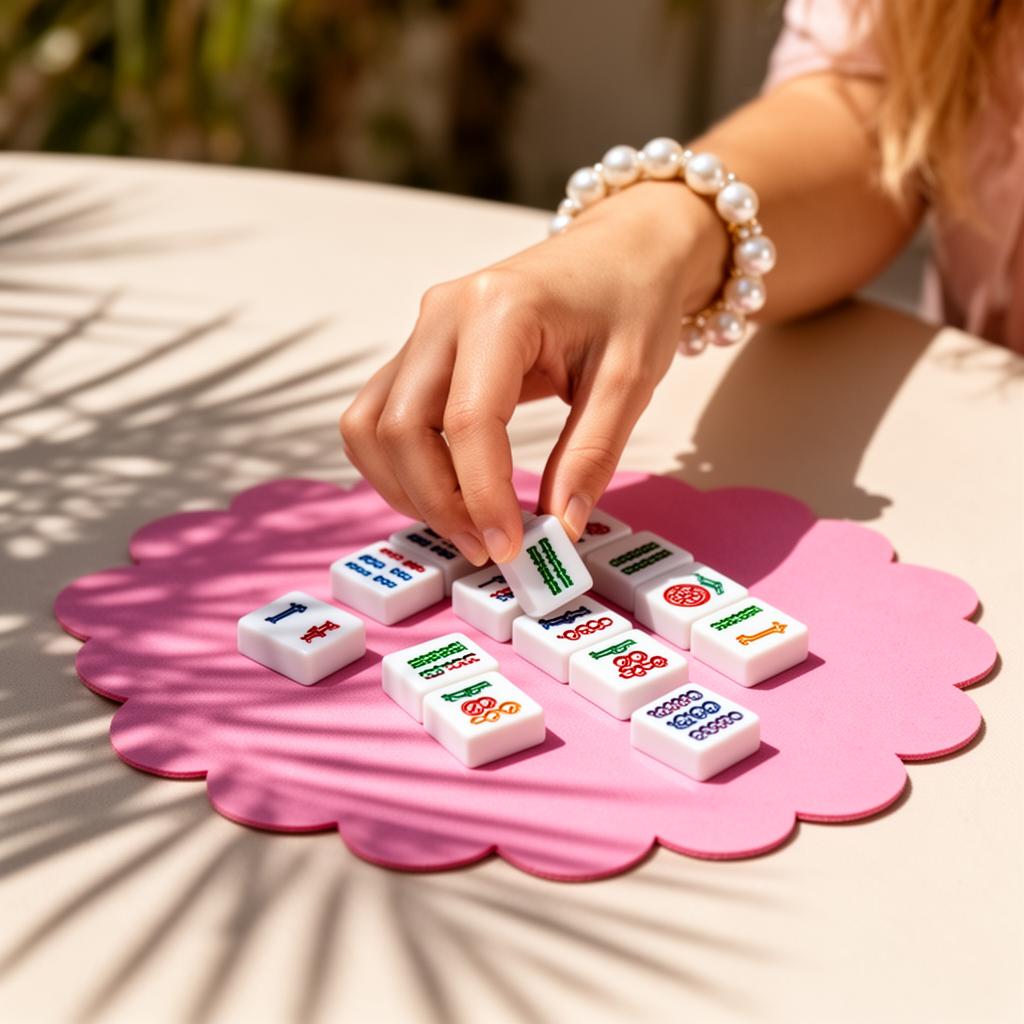
We started The Tile Room for the people who treat the family table as sacred ground.
First, the bow. Mahjong (májiàng) is a Chinese game, born in the Qing dynasty around the Yangtze delta in the 1860s. Its tiles carry centuries of meaning: bamboo for harvest, dots for coins, characters for ten thousand, the four winds for direction, the three dragons for purity, prosperity, and the center. American mahjong, the version many of us grew up watching, is a 1920s adaptation — but the soul of the game is, and always will be, Chinese.
We grew up at long tables and in small kitchens, watching mothers and grandmothers shuffle tiles every Sunday. Tea poured. Snacks passed around. Stories rising and falling with every wall built and broken. Game day wasn't just a game — it was the week's most-anticipated gathering, and the place we learned how to listen.
Somewhere along the way, mahjong sets stopped being beautiful. Plain plastic in a beige zip case. Functional, but not exactly heirloom. We wanted to fix that — without ever forgetting where the game came from.
Every Tile Room piece is designed with the family table in mind: heirloom-quality acrylic tiles hand-screened with bamboo, blossom, and traditional motifs. Hand-finished mats. Acrylic pushers in jade, blush, and lantern red. Cocktail napkins that belong at the table you'd most like to be invited to. Pretty enough to leave out between games — pieces that ask to become heirlooms themselves.
We work with calligraphers and artists who study the game's symbolism, and a portion of every order supports cultural preservation organizations protecting Chinese craft traditions. Our customers are everywhere — from family kitchens in Singapore and San Francisco to weekly clubs in London and Lima. Wherever there's a foursome and a fresh pot of tea, we want to be at the table.
Thank you for inviting us in. Now — shuffle 'em up.